

Premise
As architectural trends evolve across Ontario’s Grand River watershed—from historic heritage stone residences in Fergus and Elora to sleek modern builds in Kitchener, Waterloo, Brantford, and Caledonia—the wood-burning fireplace remains the ultimate centrepiece of domestic comfort. Integrating a wood fireplace today is no longer a simple choice between a rustic brick hearth and an open pit; it is an artful fusion of time-honoured warmth, high-efficiency engineering, and cutting-edge interior design tailored to Canadian living.
Introduction
There is something quintessentially Canadian about gathering around a crackling wood fire as winter sets in across Southern Ontario. The Grand River region, with its rich tapestry of historic limestone architecture, pastoral countryside, and vibrant contemporary developments, provides the perfect backdrop for thoughtful home design. While central heating keeps our homes functional, a wood fireplace provides an unmatched sensory experience—the ambient scent of seasoned hardwood, the gentle snap of embers, and radiant heat that wards off the deepest frost.
However, modern homeowners along the Grand River are reimagining what a hearth can be. Today’s wood-burning systems marry old-world authenticity with clean-burning technology, strict environmental standards, and sophisticated design aesthetics. Whether your style leans toward rustic farmhouse charm, mid-century Scandinavian simplicity, or bold industrial minimalism, integrating a wood fireplace requires balancing visual harmony, structural planning, and energy efficiency. Below, we explore ten comprehensive strategies to seamlessly integrate a traditional or trendy wood fireplace into your Grand River home.
1. Harmonizing Hearth Style with Regional Architectural Heritage
Integrating a wood fireplace begins with respecting the architectural envelope of your home and its regional context. The Grand River valley boasts an eclectic mix of architecture, ranging from 19th-century limestone estates and Victorian brick homes to sprawling mid-century bungalows and newly constructed contemporary dwellings. A successful installation honors these roots while introducing refined, intentional design updates.
- Key Architectural Integration Factors:
- Evaluating exterior masonry materials such as local limestone or reclaimed clay brick to carry regional character indoors.
- Selecting a low-profile, clean-face linear wood insert to complement minimalist, open-concept floor plans.
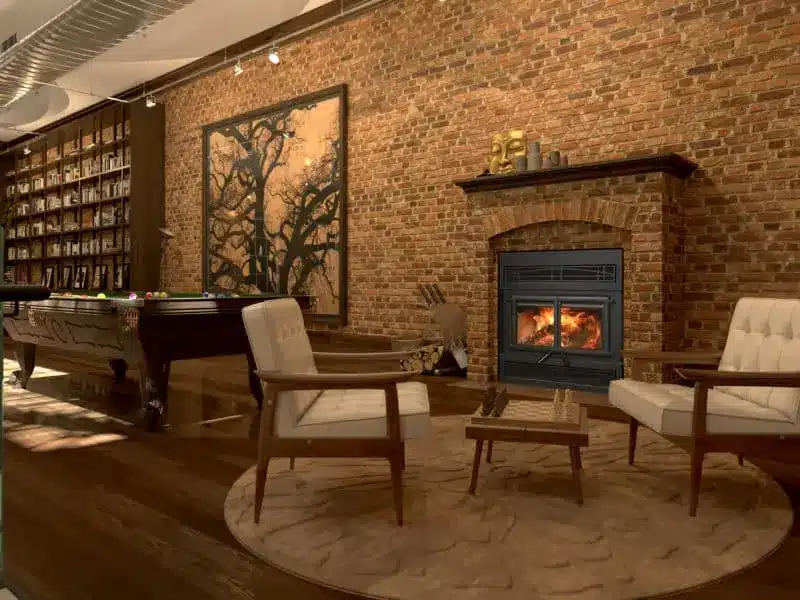
- Preserving historic mantel craftsmanship in century homes while upgrading the firebox with an efficient insert.
- Utilizing exposed natural timber framing to anchor modern farmhouse aesthetics in rural Grand River settings.
- Balancing ceiling heights with vertical chase designs to create proportional visual weight in two-storey great rooms.
- Matching hearth proportions to room scale to ensure the installation neither overpowers nor gets lost in the space.
- Incorporating transitional trim details that bridge the gap between classic crown mouldings and modern firebox surrounds.
- Consulting local municipal conservation guidelines when retrofitting designated heritage properties throughout the watershed.
2. Upgrading to EPA-Certified Clean-Burn Engineering
The romantic appeal of a crackling fire must be balanced with environmental responsibility and indoor air quality. Modern high-efficiency wood fireplaces and zero-clearance units are engineered with advanced secondary combustion and catalytic converter systems that drastically reduce emissions while maximizing thermal efficiency.
- Efficiency and Combustion Highlights:
- Selecting units meeting the latest EPA emissions standards to minimize particulate output into the Grand River airshed.
- Leveraging secondary burn tubes that ignite unburnt gases and smoke before they escape up the chimney flue.
- Achieving overall heating efficiency ratings exceeding 75% to 80%, substantially reducing the amount of cordwood needed.
- Ensuring airtight gasket seals on ceramic glass doors to prevent conditioned room air from being drawn up the stack.
- Evaluating catalytic versus non-catalytic combustion systems based on your typical heating cycles and burn duration.
- Connecting dedicated outside combustion air kits (OAK) to maintain proper draft in tightly sealed, modern building envelopes.
- Reducing indoor ash and creosote accumulation through complete, high-temperature combustion cycles.
- Lowering annual home heating costs by using zone-heating strategies during peak Ontario winter hydro billing periods.
3. Selecting the Perfect Surround: From Reclaimed Stone to Venetian Plaster
The surround is the visual anchor of your fireplace, defining the boundary between the fire and the living room. Moving from traditional to trendy allows homeowners to experiment with tactile materials that elevate the room’s overall palette.
- Materials and Finish Options:
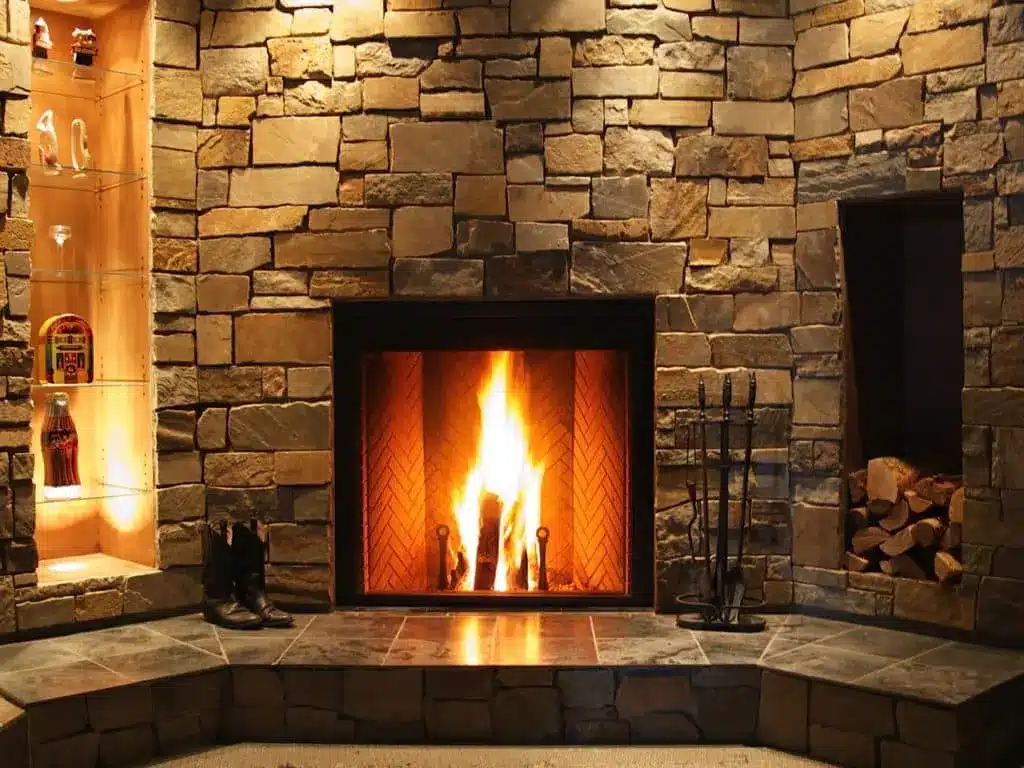
- Installing full-height floor-to-ceiling split-face granite or local limestone for a dramatic, natural stone feature wall.
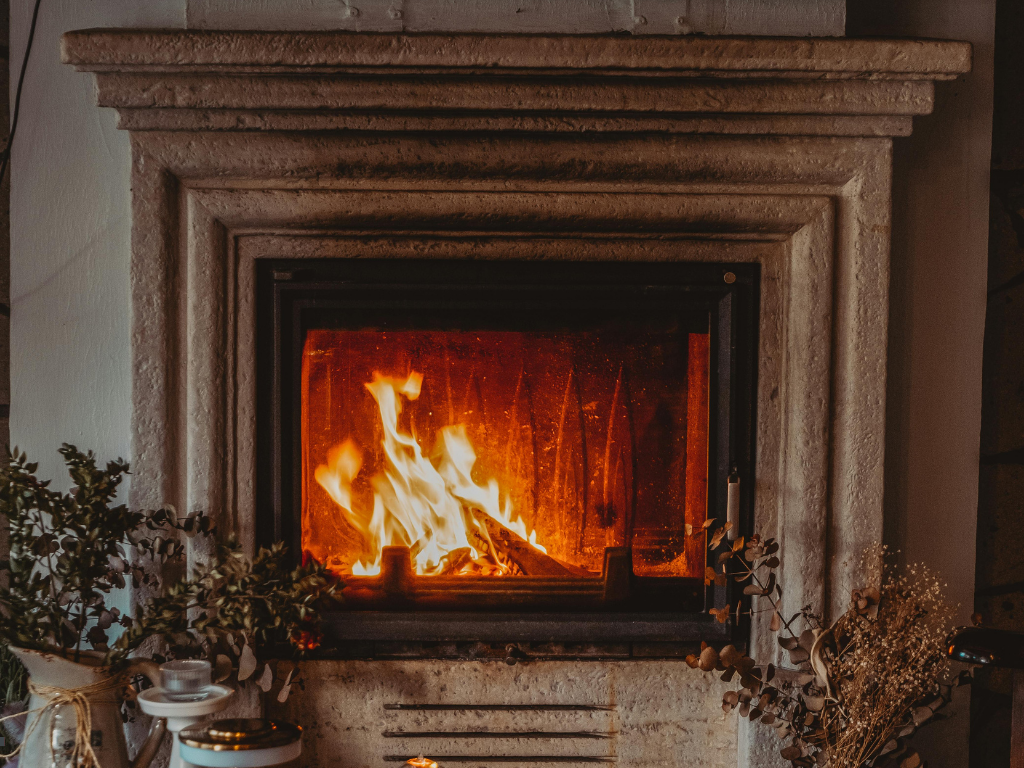
- Applying smooth, seamless microcement or tinted Venetian plaster for an ultra-modern, European-inspired minimalist finish.
- Using large-format porcelain slabs that mimic marble or slate without the upkeep and thermal vulnerabilities of soft natural stones.
- Creating warm, rustic depth with whitewashed or dark-stained shiplap accented by fire-rated non-combustible clearance margins.
- Incorporating raw hot-rolled steel panels for an urban, industrial edge that patinas naturally over time with heat exposure.
- Laying geometric, handmade zellige or encaustic ceramic tiles inside the hearth recess for an eclectic, artisanal touch.
- Utilizing fluted or ribbed concrete panels to introduce textural shadow lines across contemporary living areas.
- Ensuring all chosen surround materials adhere strictly to manufacturer-specified non-combustible clearances.
4. Designing Functional Built-in Log Storage
Exposing firewood as an intentional interior design element bridges the gap between functional utility and organic modern decor. Built-in log alcoves turn fuel storage into an architectural statement piece.
- Fuel Storage Design Strategies:
- Carving out vertical recessed wall niches directly adjacent to the firebox for organized, stacked wood displays.
- Constructing bench-height hearth extensions with under-seat cubbies for easy loading and extra fireside seating.
- Framing raw steel or matte black iron log boxes into drywall bump-outs for a crisp, contemporary contrast.
- Incorporating dedicated lower compartments for storing kindling, fire starters, and hearth gloves out of plain sight.
- Treating interior wood cubbies with durable, easy-to-clean materials like slate tiles or powder-coated metal inserts.
- Positioning wood storage away from direct ember-throw zones to maintain fire safety inside the room.
- Ensuring firewood stored indoors is thoroughly seasoned, pest-free, and brought in in modest batches to manage indoor humidity.
- Adding subtle, warm LED strip lighting inside storage niches to highlight the rich end-grain texture of stacked hardwood.
5. Curating Custom Mantels: Floating Timbers to Integrated Metal Ledges
The fireplace mantel provides an expressive visual break between the hearth and the upper wall. Modern design embraces everything from heavy hand-hewn barn beams to ultra-slim floating steel ledges.
- Mantel Inspiration and Engineering:
- Sourcing reclaimed barn beams from historic Grand River farmsteads for authentic rustic warmth and character.
- Installing floating box mantels finished with clean mitered edges and hidden steel mounting brackets for a floating appearance.
- Using slim, non-combustible metal mantel shelves to deflect heat and protect wall-mounted art or electronics above.
- Incorporating live-edge slabs of local Ontario walnut, maple, or white oak finished with matte natural sealants.
- Designing integrated full-width stone ledges that span the entire length of an accent wall for extended display space.
- Maintaining mandatory clearance heights between the top of the firebox opening and combustible mantel materials.
- Adding integrated, hidden cable raceways beneath the mantel for discrete seasonal lighting or digital displays.
- Opting for a minimalist mantel-free installation with flush drywall or stone returns for a seamless contemporary look.
6. Optimizing Room Layout, Traffic Flow, and Furniture Groupings
A fireplace naturally commands attention, but integrating it successfully requires balancing heat distribution, walking paths, and multi-functional living areas.
- Spatial and Furniture Arrangement Principles:
- Arranging deep, comfortable sectionals in an open conversational U-shape facing both the hearth and scenic Grand River views.
- Incorporating swivel accent armchairs that allow guests to turn effortlessly between the fire, television, and conversation zones.
- Maintaining comfortable clearance zones between the radiant heat zone and upholstered furniture fabrics.
- Creating dedicated fireside reading nooks with plush seating, task lighting, and curated bookshelves.
- Positioning the fireplace along a primary axis to draw the eye inward from adjoining entryways and dining rooms.
- Establishing clear walkways around the hearth perimeter so fireside lounging does not obstruct room transitions.
- Designing dual-sided, see-through fireplace installations to anchor and divide large open-concept dining and living areas.
- Using low-pile wool or natural fiber rugs that resist spark damage while defining the fireside perimeter.
7. Integrating Media and Technology Above and Around the Hearth
Modern living frequently demands that the fireplace share wall space with entertainment systems. Thoughtful design ensures electronics and heat coexist safely without compromising aesthetics.
- Media Integration Best Practices:
- Installing heat-deflection hoods or non-combustible mantel barriers to shield sensitive electronics from rising hot air.
- Recessing television mounting boxes flush within the chimney chase to protect cables and minimize visual clutter.
- Selecting artwork-display smart screens that transform into curated art galleries when entertainment features are not in use.
- Utilizing motorized drop-down mounts that lower the screen to an ergonomic eye-level viewing height when in operation.
- Routing in-wall conduits for HDMI, audio, and power to an adjacent media cabinet away from the high-temperature zone.
- Exploring offset layout designs where the media console and fireplace sit side-by-side on an asymmetrical feature wall.
- Adding smart room thermostats and heat-transfer blowers to distribute warm air efficiently throughout adjacent rooms.
- Testing wall-surface temperature thresholds with thermal sensors before permanently installing expensive electronics.
8. Selecting Premium Seasoned Hardwood for Grand River Winters
A high-performance wood fireplace requires the right fuel to deliver steady, clean radiant warmth and protect your chimney from dangerous buildup throughout the cold season.
- Wood Selection and Management Guidelines:
- Burning dense local hardwoods such as sugar maple, white oak, beech, and ash for longer burn times and high BTU output.
- Ensuring all firewood is seasoned to a moisture content below 20% using a digital moisture meter before burning.
- Avoiding softwoods like pine and spruce for primary indoor heating to minimize rapid creosote buildup in the flue.
- Stacking seasoned wood outdoors in elevated, covered wood sheds with open sides for maximum cross-ventilation.
- Splitting logs to consistent sizes (typically 14 to 18 inches) tailored to fit your specific firebox dimensions easily.
- Sourcing firewood from sustainable local Grand River forestry suppliers to avoid the regional spread of invasive pests.
- Storing a 48-hour supply indoors prior to burning so cold logs warm to room temperature for effortless ignition.
- Never burning pressure-treated, painted, or manufactured wood products that release hazardous toxins into the home.
9. Structural Planning, Masonry Retrofitting, and Chimney Liners
Whether installing a zero-clearance prefabricated fireplace or restoring an existing century-old brick chimney, sound structural planning is essential for long-term safety and building code compliance.
- Structural and Venting Considerations:
- Installing insulated stainless steel chimney liner systems to ensure optimal draft and safety in retrofitted masonry flues.
- Reinforcing floor joists and subflooring systems when constructing heavy natural stone surrounds and wide stone hearths.
- Ensuring chimney termination caps meet the “3-2-10 rule” (at least 3 feet above the roof exit and 2 feet higher than any point within 10 feet).
- Inspecting existing brick and mortar joints for tuckpointing needs prior to converting open hearths into high-heat inserts.
- Installing certified zero-clearance prefabricated firebox enclosures when building into standard wood-framed wall chases.
- Providing proper fresh air makeup ducts through exterior walls to prevent back-drafting in modern airtight home designs.
- Adding anti-downdraft chimney caps with integrated spark arrestor mesh to prevent downdrafts during windy river valley storms.
- Ensuring full compliance with the Ontario Building Code (OBC) and relevant regional municipal building permits.
10. Prioritizing Fire Safety, WETT Certification, and Ongoing Care
A wood fireplace provides peace of mind only when installed to exact safety tolerances and maintained diligently by certified heating professionals throughout its lifespan.
- Safety, Inspection, and Maintenance Essentials:
- Securing a comprehensive Wood Energy Technology Transfer (WETT) inspection for property insurance approval and safety verification.
- Scheduling professional annual chimney sweeps and flue inspections every autumn before the primary heating season begins.
- Installing dual-sensor smoke and carbon monoxide alarms on every level of the home and adjacent to sleeping quarters.
- Keeping an approved Class A fire extinguisher easily accessible within the living room or adjacent hallway.
- Utilizing spark screens or heat-resistant tempered glass doors whenever the fire is burning actively.
- Disposing of cooled ashes exclusively in a heavy-gauge galvanized metal container with a tight-fitting lid placed on concrete.
- Replacing door gasket ropes and glass seal tape every few seasons to preserve airtight combustion performance.
- Keeping small children and pets protected with stylish, custom-fitted freestanding hearth safety gates.
Frequently Asked Questions:
-
A1. Yes. Installing an EPA-certified wood insert into an existing masonry hearth is one of the most effective ways to stop heat loss. These units seal the firebox, utilize insulated stainless steel liners inside your existing chimney, and circulate warm air into your living space via integrated convection blowers.
Conclusion
Integrating a wood fireplace into your Grand River home is an investment that yields daily comfort, lower reliance on conventional heating, and elevated property value. From the timeless texture of locally sourced stone to the sleek, linear lines of modern clean-burning units, the modern hearth bridges heritage tradition and contemporary living seamlessly. By carefully selecting your materials, optimizing room layouts, and committing to proper maintenance, your fireplace will remain the heart of your home through countless Ontario winters.
Transform Your Living Space Today
Ready to elevate your home with the unmatched warmth, beauty, and efficiency of a premium wood fireplace? The experienced specialists at Hearthstone House of Fire are here to guide you through every step—from custom design consultation and product selection to professional installation and certified maintenance.
- Name: Hearthstone House Of Fire
- Address: Hamilton, Ontario, Canada
- Phone: 905-772-0779
- Email: hearthstone@rogers.com
- Website: HearthstoneHouseOfFire.com