

In Hamilton, we understand the value of our homes. From the historic charm of Durand to the family-friendly streets on the Mountain or the scenic views from Stoney Creek, our homes are our sanctuaries. But for too long, the definition of “home” has stopped at the back door. The Canadian patio season feels fleeting, a brief, bright burst before we’re driven back inside by a cool evening breeze or the first hint of autumn. We invest in decks, patios, and gardens, yet they remain secondary spaces, dependent on perfect weather.
What if you could change that? What if you could create a space that doesn’t just extend your home, but redefines it? This is the power of an outdoor fireplace.
In the bustling real estate market of Hamilton, Ontario—where historic charm meets modern revitalization—homeowners are constantly seeking renovations that offer both tangible returns on investment and intangible lifestyle upgrades. While high-efficiency furnaces and heat pumps are practical necessities for the harsh Canadian winter, they lack the soul-stirring quality of a traditional hearth. This article explores how installing or restoring a wood-burning fireplace goes far beyond simple temperature control. It examines the multifaceted benefits of wood heat, specifically tailored to the Hamilton context, ranging from increased property appraisal values and energy independence to the creation of a definitive “heart of the home” that resonates with the city’s unique architectural character.
Introduction
There is a distinct rhythm to life in Hamilton. From the damp chill rolling off Lake Ontario in late November to the deep freeze of February on the “Mountain,” residents understand the primal necessity of warmth. However, in an era of smart thermostats and invisible heating zones, the allure of the wood fireplace remains undiminished. It represents a return to something authentic and grounding—a counterpoint to the digital noise of modern life. For Hamilton homeowners, a wood fireplace is not merely an appliance; it is a strategic asset.
Whether you own a Victorian brick home in the Durand neighbourhood, a mid-century bungalow on the Mountain, or a new build in Ancaster, a wood fireplace acts as a powerful differentiator. It transforms a house from a simple shelter into a sanctuary. Beyond the obvious physical warmth, it offers a psychological comfort known as hygge, serves as a stunning architectural anchor, and provides a crucial backup during our increasingly frequent severe weather events. This article delves into the ten distinct ways a wood fireplace elevates your property, proving that the value of a crackling fire is measured in both dollars and deep contentment.
1. Significant Boost to Property Resale Value
Real estate in the Greater Golden Horseshoe is competitive, and distinctive features are key to maximizing a home’s appraisal. A functional, well-maintained wood fireplace is often listed as a premium feature, signaling to buyers that the home is a step above the standard entry-level property. It suggests a lifestyle of comfort and luxury that radiator heat simply cannot convey.
- Differentiation in Listings: In a sea of comparable listings, a wood fireplace acts as a “thumb-stopper” on real estate apps, drawing potential buyers into the details of the listing.
- Perception of Luxury: Even a modest home gains an air of sophistication and upscale living when a beautifully framed hearth is present in the main living area.
- Higher Closing Prices: Studies and anecdotal evidence from local real estate agents suggest that homes with fireplaces often command higher selling prices compared to similar homes without them.
- Emotional Hook for Buyers: Decisions to buy are often emotional; the vision of a family gathering around a fire can be the tipping point that secures an offer.
- Appraisal Add-on: Professional appraisers generally attribute specific monetary value to permanent heating fixtures like masonry or high-end zero-clearance fireplaces.
- Heritage Alignment: In Hamilton’s historic districts, a fireplace aligns with the architectural integrity of the era, preserving the home’s character and marketability.
- Return on Investment (ROI): While installation costs vary, the recovery rate upon resale is generally high, often recouping a significant percentage of the initial outlay.
- Faster Sales Velocity: Homes with “cozy” features like fireplaces tend to spend fewer days on the market during the fall and winter selling seasons.
- Finished Basement Appeal: Adding a wood stove or fireplace to a finished basement can transform it from a utility space into a primary living area, effectively increasing the square footage value.
- Outdoor Living Value: Outdoor wood fireplaces are an emerging trend that extends the usable living space of a property, adding further value to the backyard landscape.
2. Energy Independence and Security
Hamilton is no stranger to ice storms and power outages. Relying solely on the electrical grid or gas lines that require electric ignition can leave a household vulnerable during critical winter months. A wood fireplace provides a robust safety net, ensuring your family remains safe and warm regardless of the status of the local infrastructure.
- Off-Grid Capability: A wood fireplace operates entirely independently of electricity, providing reliable heat even during total grid failure.
- Frozen Pipe Prevention: During extended blackouts, a central wood fire can keep the ambient temperature high enough to prevent plumbing from freezing and bursting, saving thousands in potential damages.
- Cooking Source: In an emergency, a wood stove or open hearth can be utilized for basic cooking and boiling water, adding a layer of survival utility.
- Fuel Storage Control: Unlike gas or electricity, you control your fuel supply; stacking a cord of wood ensures you have a physical reserve of energy on your property.
- Protection Against Price Surges: You are insulated from sudden spikes in electricity or natural gas rates during peak demand times or geopolitical instability.
- Diversified Heating Profile: Having a secondary heat source reduces the wear and tear on your primary furnace, potentially extending its lifespan.
- Local Fuel Sourcing: Firewood can often be sourced locally in Southern Ontario, reducing reliance on fossil fuels transported over long distances.
- Peace of Mind: There is a profound psychological comfort in knowing that, no matter the weather, you have the means to keep your family warm.
- Zone Heating During Outages: You can focus on heating the main living area where the family gathers, rather than attempting to power a whole-home system on a generator.
- Resilience Adaptation: As climate change leads to more unpredictable weather patterns in Ontario, self-sufficiency becomes a practical aspect of responsible homeownership.
3. The “Hygge” Effect and Mental Well-being
The concept of hygge (pronounced hoo-ga), the Danish art of coziness, has taken the design world by storm, and nowhere is it more applicable than in a Canadian winter. A wood fireplace is the physical embodiment of this concept. The presence of a live fire has been scientifically shown to lower blood pressure and induce relaxation, countering the “winter blues” that many Ontarians face.
- Stress Reduction: The mesmerizing dance of flames acts as a natural focal point for meditation, drawing the eye away from screens and reducing cognitive load.
- Combatting Seasonal Affective Disorder (SAD): The bright, warm light of a fire provides a natural counter-balance to the early darkness of Hamilton winters.
- Creating Intimacy: A fireplace naturally draws people closer together, fostering conversation and intimacy that is often lost in large, open-concept rooms.
- Digital Detox: The hearth encourages analog activities like reading, board games, or simply sitting in silence, offering a respite from constant connectivity.
- Nesting Instinct: It satisfies a primal human instinct to seek shelter and warmth, creating a profound sense of safety and “home.”
- Atmospheric Lighting: The amber glow of a fire is universally flattering and calming, far superior to the harsh blue light emitted by LEDs and televisions.
- Enhanced Comfort Perception: “Radiant” heat from a fire feels warmer on the skin than “convection” heat from forced-air vents, leading to a greater sense of physical well-being.
- Ritual and Routine: The act of building and tending a fire creates a soothing daily ritual that signals the transition from the work day to relaxation time.
- Nostalgia and Memory: Smells and sounds of a fire often trigger positive childhood memories, reinforcing a sense of continuity and happiness.
- Pet and Family Magnet: It is not just humans who relax; pets invariably gravitate toward the hearth, adding to the overall sense of domestic peace.
4. Architectural Focal Point and Aesthetic Anchor
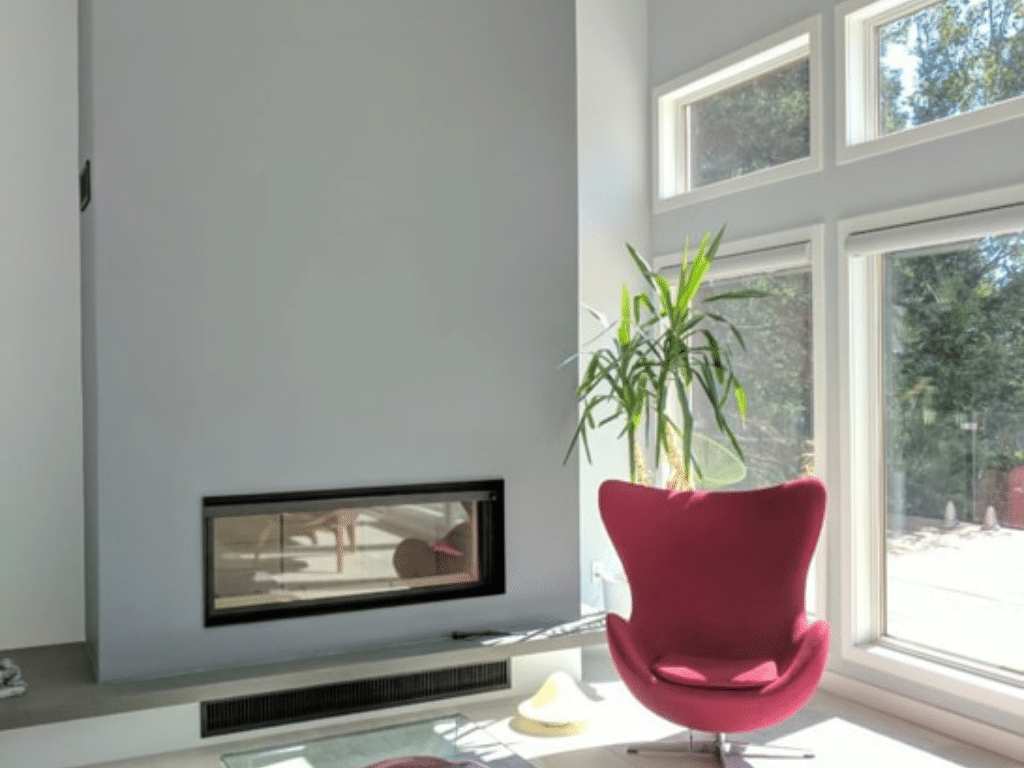
Interior designers often struggle to find a centerpiece for a room that doesn’t involve a television. A fireplace solves this instantly. It provides an architectural anchor that defines the room’s purpose and dictates the layout of furniture. Whether it is a floor-to-ceiling stone facade or a sleek, modern minimalist insert, the fireplace sets the design tone for the entire house.
- Room Orientation: It solves the “where do I look?” problem, allowing furniture to be arranged conversationally rather than strictly around a media center.
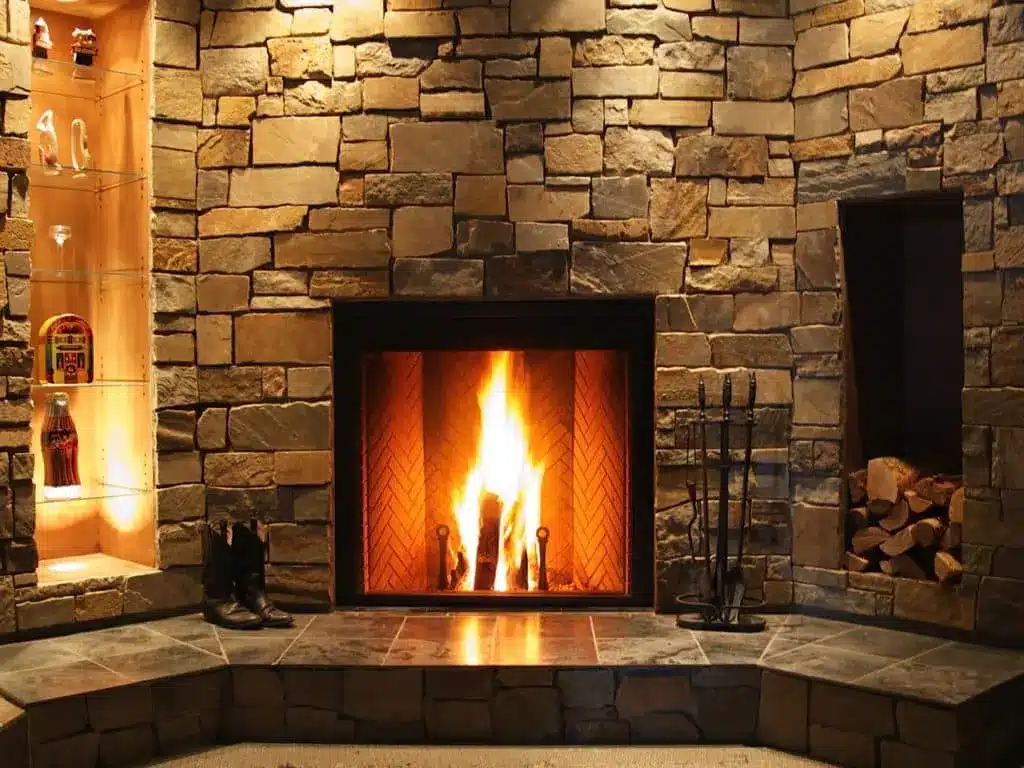
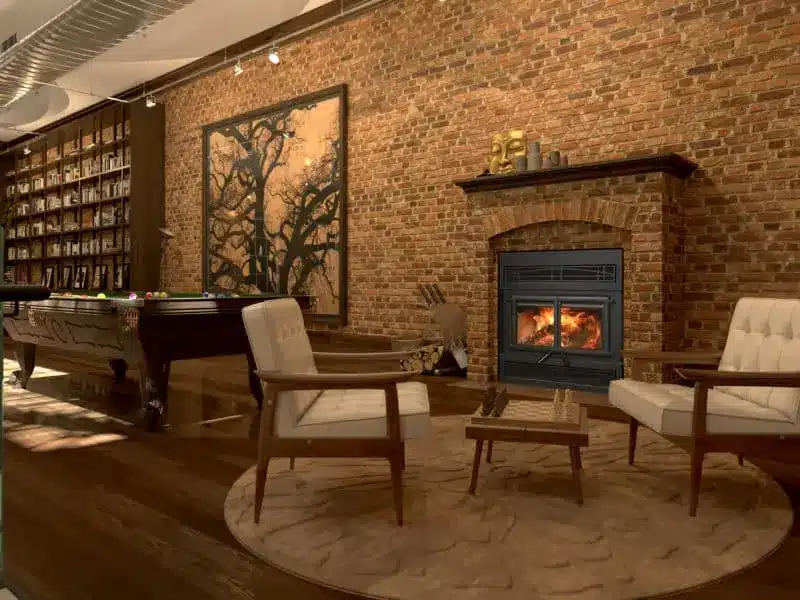
- Material Versatility: From Hamilton’s traditional red brick to river rock, slate, or contemporary steel, the surround offers endless texture and colour possibilities.
- Vertical Interest: Chimneys and mantels draw the eye upward, emphasizing ceiling height and making rooms feel more spacious and grand.
- Mantel Decor Opportunities: The mantel serves as a rotating gallery for seasonal decor, family photos, art, or heirlooms, allowing for personal expression.
- Transformation of “Dead” Space: Installing a corner stove or fireplace can revitalize awkward, unused corners of a living room or master bedroom.
- Definition of Open Concepts: In large open-plan homes, a double-sided fireplace can subtly divide living and dining areas without blocking light or flow.
- Historic Restoration: Restoring an original fireplace in an older Hamilton home returns the property to its intended grandeur and authenticity.
- Customization Potential: Homeowners can choose doors, screens, and tools that match their specific hardware finishes (e.g., matte black, brushed nickel, brass).
- Year-Round Appeal: Even when not lit, a beautifully designed hearth remains a stunning visual element, unlike a radiator or vent.
- Curb Appeal (Exterior): A well-maintained masonry chimney adds character and solidity to the exterior profile of the house, signaling quality construction.
5. Strategic Cost Savings on Utility Bills
While there is a cost to buying wood (unless you harvest your own), strategic use of a wood fireplace can significantly lower your primary heating bills. By utilizing “zone heating,” homeowners can lower the thermostat for the central furnace and use the fireplace to heat the rooms they actually occupy, which is particularly effective in the large, drafty homes common in older parts of Hamilton.
- Zone Heating Efficiency: Why heat the empty guest bedrooms to 22°C? Keep the house at 18°C and use the fire to bring the living room to a toasty 24°C.
- Shoulder Season Savings: In October and April, when it is too cold for no heat but wasteful to turn on the main furnace, a small fire takes the chill off perfectly.
- Reduced Furnace Cycling: By supplementing with wood heat, your furnace runs less frequently, reducing wear on the blower motor and igniter.
- Local Wood Economy: Firewood is often cheaper per BTU than electricity, especially during peak time-of-use pricing structures in Ontario.
- Scavenging Opportunities: Resourceful homeowners can often source free wood from fallen trees or local arborists, reducing fuel costs to near zero.
- Thermostat Location Management: If your thermostat is in the main room with the fire, the furnace will naturally stay off, saving gas automatically.
- Reduced Reliance on Grid Pricing: You are less susceptible to the monthly fluctuations of the carbon tax or delivery charges associated with metered utilities.
- Predictable Budgeting: Buying a cord of wood is a one-time fixed cost, unlike utility bills which can vary wildly based on unexpected cold snaps.
- High-Efficiency Inserts: Modern inserts can achieve efficiency ratings of over 75%, meaning you get more heat output for every log you buy compared to open fireplaces.
- Long-Burn Technology: Modern stoves allow for “overnight burns,” meaning you can load the stove before bed and wake up to a warm house without the furnace kicking in.
6. Environmental Considerations and Modern Efficiency
A common misconception is that wood burning is inherently dirty. However, modern EPA-certified wood stoves and inserts are marvels of engineering. They burn wood gases a second time (secondary combustion), resulting in extremely low particulate emissions and high heat output. Wood is also a renewable, carbon-neutral resource when harvested sustainably, unlike fossil fuels.
- Carbon Neutral Cycle: A tree releases the same amount of carbon when it decomposes in the forest as it does when burned; burning simply speeds up the cycle.
- Renewable Resource: Unlike natural gas or propane, trees can be replanted and harvested in a sustainable cycle within a human lifetime.
- EPA Certification: Modern units must meet strict emission standards, producing very little smoke compared to older “smoke dragon” stoves.
- Secondary Burn Technology: Baffles and air tubes re-ignite smoke before it leaves the firebox, converting potential pollution into usable heat.
- Catalytic Combustors: Some high-end stoves use catalysts (similar to a car) to clean exhaust and increase efficiency even at low burn rates.
- Reduction of Fossil Fuel Use: Every log burned is a reduction in the demand for non-renewable natural gas or coal-generated electricity.
- Sustainable Forestry Support: Purchasing local firewood supports local woodlot management, which encourages the maintenance of healthy forests rather than clear-cutting for development.
- No Fracking or Pipelines: Wood heat does not require the environmentally damaging extraction and transport infrastructure associated with natural gas.
- Local Ecosystem: Using local wood prevents the transport of invasive species (provided you don’t move firewood long distances) and supports the local agricultural economy.
- Ash Recycling: Wood ash from clean wood is a valuable soil amendment for gardens, adding potassium and calcium to the soil (unlike gas byproducts).
7. Social Connection and Entertainment
Before the television, the hearth was the center of the home. It remains the ultimate social magnet. A fire changes the dynamic of a gathering; it softens the mood, encourages storytelling, and provides a backdrop for memorable entertaining. In Hamilton’s social scene, hosting a dinner party by the fire is a mark of supreme hospitality.
- The “Campfire” Instinct: People naturally arrange themselves in a circle around a fire, which facilitates eye contact and group inclusion.
- Breaking the Ice: A fire provides a neutral, shared experience that helps new guests feel comfortable and gives them something to talk about.
- Romantic Ambience: For couples, a wine and cheese night by the fire is a high-value, low-cost “date night” without leaving the house.
- Holiday Central: Christmas, Hanukkah, and New Year’s gatherings feel incomplete without a fire; it is central to the festive atmosphere.
- Storytelling Environment: The low light and crackling sound encourage the sharing of stories, creating deeper connections between friends and family.
- Reduced Screen Time for Kids: Children are often fascinated by fire and are more willing to engage in family time without tablets when a fire is lit.
- Interactive Hosting: Guests often enjoy the interactive element of adding a log or adjusting the screen, making them feel part of the home.
- The “After-Dinner” Spot: Moving from the dining table to the fireside extends the evening and signals a shift to a more relaxed phase of the party.
- Acoustic Benefits: Soft furnishings and rugs often associated with fireplace areas help dampen sound, making conversation easier than in echoing kitchens.
- Memorable Impressions: Guests are far more likely to remember the warmth and atmosphere of your home than the specific food you served.
8. Seasonal Versatility and the “Shoulder Seasons”
Hamilton experiences distinct “shoulder seasons”—that damp, raw period in late autumn and early spring. These are the times when central heating systems are inefficient or overkill. A wood fireplace excels in this niche, providing quick, on-demand heat to remove the dampness from the air without heating the entire house for hours.
- Drying the Air: Wood heat is exceptionally dry, which is perfect for combating the clammy humidity that comes off Lake Ontario in the spring and fall.
- Quick On/Off: Unlike radiant floor heating which takes hours to adjust, a fire can be built for a two-hour burst of heat in the evening and then allowed to go out.
- Ventilation Aid: The draft of a chimney pulls stale indoor air out of the house, helping to refresh the home’s atmosphere during months when windows are closed.
- Rainy Day Comfort: There is a unique pleasure in having a fire during a cold October rainstorm, turning gloomy weather into a cozy asset.
- Extended Patio Season: For outdoor fireplaces, the season is extended well into November, allowing you to enjoy your backyard for months longer than neighbours.
- Drying Wet Gear: A safe distance from the stove is the perfect place to dry mittens, hats, and boots after a wet spring walk on the Bruce Trail.
- Flexible Fueling: You can build a small, hot fire with softwood for a quick burst of heat, or a large hardwood fire for sustained warmth, depending on the weather.
- Transition Days: On days with cold mornings and warm afternoons, a morning fire takes the edge off without leaving the house sweltering by noon.
- Aesthetic Relevance: Even in early spring, the visual of a fire matches the mood of the season, bridging the gap between winter and summer.
- Garden Debris Use: Spring cleanup of the yard often yields kindling and small branches that can be seasoned and used, closing the loop on yard waste.
9. Attraction for Potential Homebuyers
We touched on value, but “attraction” is about the pool of buyers. Certain demographics specifically hunt for homes with fireplaces. By having one, you open your home to a wider and often more affluent segment of the buying population who view a fireplace as a “must-have” rather than a “nice-to-have.”
- The “Dream Home” Checklist: For many first-time buyers and upsizers, a fireplace is on the non-negotiable checklist of features.
- Retiree Appeal: Older demographics often value the supplemental heat and the traditional aesthetic of a wood fireplace.
- Expat Appeal: Buyers moving from Europe or rural areas often expect a fireplace as a standard feature of a quality home.
- Differentiation from Condos: A wood fireplace clearly distinguishes a detached or semi-detached home from the condo market, where wood burning is rarely permitted.
- Photogenic Marketing: Real estate photography that features a lit fire draws significantly more clicks on MLS listings.
- Emotional Staging: Staging a home with a fire (or a beautiful stack of birch logs) creates an emotional vignette that helps buyers visualize living there.
- Suggestion of Maintenance: A clean, well-maintained chimney suggests that the current owners have taken good care of the structural aspects of the home.
- Lifestyle Marketing: It allows agents to market the “lifestyle” of the home (e.g., “cozy winter nights”) rather than just the specifications.
- Competitive Edge in Suburbs: In suburban subdivisions where many models are identical, a custom fireplace upgrade makes a specific unit stand out.
- Resilience Seekers: A growing demographic of buyers interested in sustainability and preparedness specifically look for secondary heating sources.
10. The Complete Sensory Experience
Finally, the value of a wood fireplace lies in its ability to engage all the senses. Modern heating is sterile and invisible. A wood fire is a living presence. It engages sight, sound, and smell in a way that creates a rich, textured living environment. This sensory engagement is what turns a house into a home.
- The Scent of Woodsmoke: The faint, sweet smell of maple, hickory, or applewood is one of the most evocative and comforting scents in nature.
- The Crackle and Pop: The acoustic backdrop of a fire—the snapping of dry wood and the rush of the draft—is a form of natural white noise that soothes the mind.
- Visual Mesmerization: The ever-changing colours (blues, oranges, reds) and movement of the flames provide dynamic visual interest that wallpaper or paint cannot match.
- Radiant Warmth: The feeling of radiant heat penetrating cold bones after a day of shovelling snow is a physical sensation that forced air cannot replicate.
- Tactile Engagement: The process of handling wood, striking the match, and adjusting the dampers engages the hands and grounds the homeowner in the physical world.
- Taste Enhancement: Food and drink simply taste better when enjoyed by a fire; it enhances the sensory appreciation of a hot chocolate or a glass of red wine.
- Visual Texture of Wood: Even the stack of firewood adds a natural, rustic texture to the room’s decor, bringing a piece of the outdoors inside.
- Lighting Quality: The dynamic shadows cast by flickering flames add depth and drama to a room, highlighting architectural features in a new way.
- Absence of Fan Noise: Unlike the constant hum of a furnace fan, a wood stove (convection or radiant) can operate in total silence.
- Connection to Nature: It serves as a constant reminder of the natural world and the elemental forces of nature, grounding residents in their environment.
Frequently Asked Questions:
-
A1. Yes. Real estate data suggests that homes with functioning fireplaces are viewed as premium listings. They often sell faster and can command higher prices because they offer both aesthetic appeal and a backup heating source, which is highly valued in our climate.
In the diverse and evolving property landscape of Hamilton, a wood fireplace is far more than a nostalgic relic. It is a robust investment that pays dividends in property value, energy security, and personal well-being. From the tangible savings on heating bills to the intangible joy of a hygge-filled evening, the benefits are comprehensive. By installing or maintaining a wood-burning hearth, you are not just upgrading your house; you are fortifying your home against the cold, enhancing your lifestyle, and creating a gathering place that will be cherished for generations. In a world that is increasingly digital and disconnected, the wood fire remains a timeless, glowing heart of the home.
Ready to ignite the potential of your home?
Don’t let another Hamilton winter pass without the warmth and security of a true hearth. Whether you are looking for a high-efficiency insert, a stunning freestanding stove, or a complete fireplace makeover, we are your local experts.
- Name: Hearthstone House Of Fire
- Address: Hamilton, Ontario, Canada
- Phone: 905-772-0779
- Email: hearthstone@rogers.com
- Website: HearthstoneHouseOfFire.com